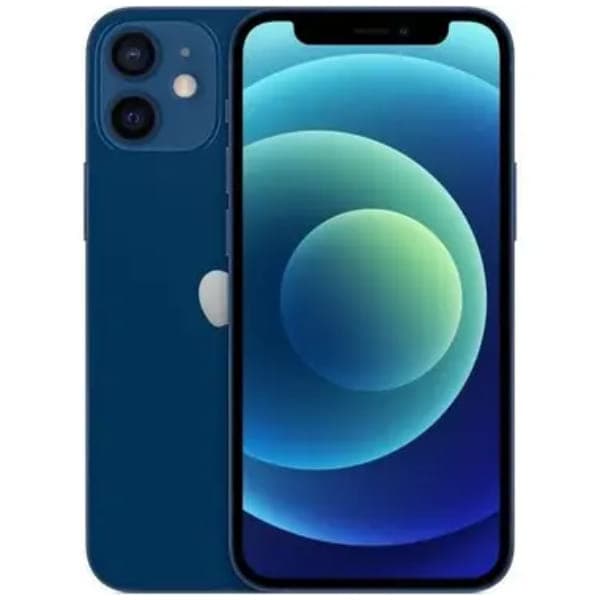
256GB · Space Gray · Good Condition









256GB · Space Gray · Good Condition
Feature | Details |
|---|---|
Launch Year | 2017 |
Display | 5.8-inch Super Retina HD OLED |
Processor | Apple A11 Bionic |
Camera System | Dual 12MP Camera System with 2x Telephoto |
Battery Life | Up to 13 Hours Video Playback |
Storage Options | 64GB, 256GB |
Charging Port | Lightning |
Weight | 174g |
The Apple iPhone X is a landmark iPhone that introduced the full-screen design, Face ID and OLED display to the iPhone lineup.
It is suitable for users who want a compact iPhone with a premium feel, Face ID, wireless charging and a simple dual-camera system. As an older model, the iPhone X is best for basic daily use such as calls, messaging, browsing, social media, photos and light apps. Users who need longer software support, better battery life, 5G, MagSafe or newer camera features should consider a newer iPhone model.
The iPhone X introduced Apple’s full-screen iPhone design with a 5.8-inch Super Retina HD OLED display.
Why it matters:
• More modern front design than older Home Button iPhones
• OLED display gives strong contrast and deeper blacks
• Comfortable size for one-handed use
• Good for browsing, photos and video viewing
• Suitable for users who want Face ID in a compact body
The iPhone X uses Apple’s A11 Bionic chip.
Why it matters:
• Suitable for basic daily apps
• Handles calls, messaging, browsing and social media
• Practical for light app usage
• Good for users who do not need the latest iPhone performance
• Best suited for simple everyday use
The iPhone X includes a 12MP Wide camera and 12MP Telephoto camera.
Why it matters:
• Good for everyday photos
• Telephoto camera is useful for portraits and closer shots
• Portrait mode helps create background blur
• 4K video recording is supported
• Useful for users who want a simple camera setup with optical zoom
Feature | Specification | Why It Matters |
|---|---|---|
Display | 5.8-inch Super Retina HD OLED | Compact OLED screen for browsing, photos and daily use |
Refresh Rate | 60Hz | Suitable for normal everyday use |
Processor | Apple A11 Bionic | Suitable for basic calls, messaging, browsing and light apps |
Camera System | Dual 12MP Camera System | Practical camera setup for everyday photography |
Main Camera | 12MP Wide | Suitable for everyday photos and videos |
Telephoto Camera | 12MP 2x Telephoto | Useful for portraits and closer shots |
Optical Zoom Range | 2x Optical Zoom In, 2x Optical Zoom Out | More flexible framing than a single-camera iPhone |
Front Camera | 7MP TrueDepth Camera | Supports Face ID, selfies and video calls |
Video Recording | 4K Video Recording up to 60 fps | Good video quality for everyday recording |
Battery Life | Up to 13 Hours Video Playback | Suitable for light to normal daily use |
Storage | Up to 256GB | Enough for basic apps, photos and files depending on usage |
Weight | 174g | Compact and manageable for daily use |
Charging | Lightning Port | Uses Apple Lightning cable |
Wireless Charging | Qi Wireless Charging | Supports standard wireless charging |
Face ID | Supported | Secure and convenient phone unlocking |
Feature | iPhone X | iPhone XR | iPhone XS | iPhone XS Max |
|---|---|---|---|---|
Launch Year | 2017 | 2018 | 2018 | 2018 |
Display Size | 5.8-inch | 6.1-inch | 5.8-inch | 6.5-inch |
Display Type | Super Retina HD OLED | Liquid Retina HD LCD | Super Retina HD OLED | Super Retina HD OLED |
Refresh Rate | 60Hz | 60Hz | 60Hz | 60Hz |
Processor | A11 Bionic | A12 Bionic | A12 Bionic | A12 Bionic |
Weight | 174g | 194g | 177g | 208g |
Rear Camera System | Dual 12MP Camera | Single 12MP Camera | Dual 12MP Camera | Dual 12MP Camera |
Main Camera | 12MP Wide | 12MP Wide | 12MP Wide | 12MP Wide |
Telephoto Camera | 12MP 2x Telephoto | No | 12MP 2x Telephoto | 12MP 2x Telephoto |
Front Camera | 7MP TrueDepth | 7MP TrueDepth | 7MP TrueDepth | 7MP TrueDepth |
Battery Life | Up to 13 hrs | Up to 16 hrs | Up to 14 hrs | Up to 15 hrs |
Storage Options | 64GB, 256GB | 64GB, 128GB, 256GB | 64GB, 256GB, 512GB | 64GB, 256GB, 512GB |
Best Advantage | First full-screen iPhone with Face ID | Lower-priced larger iPhone | Newer compact OLED model | Largest display in the XS series |
*Battery life refers to video playback.
Model | Recommended For |
|---|---|
iPhone X | Users who want a compact OLED iPhone with Face ID for basic use |
iPhone XR | Users who want a lower-priced everyday iPhone with a larger display |
iPhone XS | Users who want a newer compact premium OLED iPhone |
iPhone XS Max | Users who want the largest display and premium design in the XS series |
If you’re considering the iPhone X, you may also want to compare:
• Apple iPhone SE (2020) 2nd Gen
Comparing similar iPhone models can help you decide whether you need a newer processor, better battery life, larger display, 5G support, MagSafe, improved camera features or better long-term value.
64GB is suitable only for light users who mainly use calls, messaging, browsing and a smaller number of apps. Choose 256GB if you take more photos, store more apps or plan to keep more files on the phone.
The iPhone X can still be suitable for basic everyday use such as calls, messaging, browsing, social media and light apps. Users who need stronger performance, better battery life, newer software support or newer features should consider a newer iPhone model.
The iPhone XS has a newer A12 Bionic chip, improved camera processing, higher 512GB storage option, better water resistance and slightly longer video playback battery life. The iPhone X is older and better suited for users who only need basic use at a lower price.
The iPhone X has an OLED display, stainless steel design and dual-camera system with Telephoto camera. The iPhone XR has a larger 6.1-inch LCD display, newer A12 Bionic chip and longer battery life, but only has a single rear camera.
The iPhone X has a dual 12MP camera system with Wide and Telephoto cameras. It is suitable for everyday photos, portraits and 4K video recording. Users who want Night mode, Ultra Wide camera or stronger low-light photography should consider iPhone 11 series or newer.
The A11 Bionic chip can handle light and older games, but newer or demanding games may perform better on newer iPhones such as the iPhone XS, iPhone 11 series, iPhone 12 series or later.
No. The iPhone X supports 4G LTE, but it does not support 5G. Choose the iPhone 12 series or newer if 5G is important to you.
No. The iPhone X uses Apple’s Lightning connector. Choose the iPhone 15 series or newer if you prefer USB-C charging.
No. The iPhone X supports Qi wireless charging, but it does not support MagSafe. Choose the iPhone 12 series or newer if you want MagSafe compatibility.
The iPhone X is an older iPhone model. It may still work for basic use, but for better long-term value, battery life, camera features and software support, newer models such as iPhone 11, iPhone 12 or iPhone SE (2020) may be better choices.
Choose the iPhone X only if you want a lower-priced compact OLED iPhone for basic use. Choose the iPhone XS if you want a newer processor, improved performance, higher storage option and better long-term usability.
The iPhone X is worth considering only if you want a low-cost iPhone with Face ID and OLED display for basic daily use. For most users, newer models such as iPhone XR, iPhone XS, iPhone 11 or iPhone SE (2020) may offer better value and longer practical usability.
The iPhone X is suitable for users who want a compact iPhone with Face ID, OLED display, wireless charging and a dual-camera system at a lower price. It offers a 5.8-inch Super Retina HD OLED display, A11 Bionic chip, 12MP Wide and Telephoto cameras, and Lightning charging.
Compare available iPhone X listings by storage capacity, condition and warranty from verified local sellers on SellUp Marketplace.
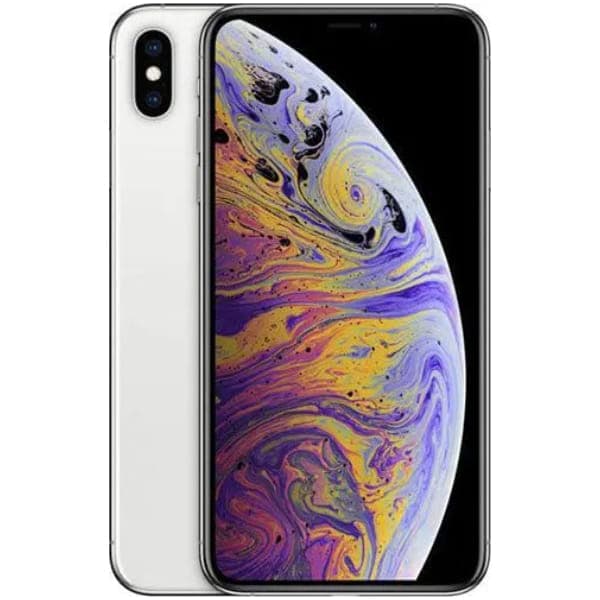
64GB • Silver
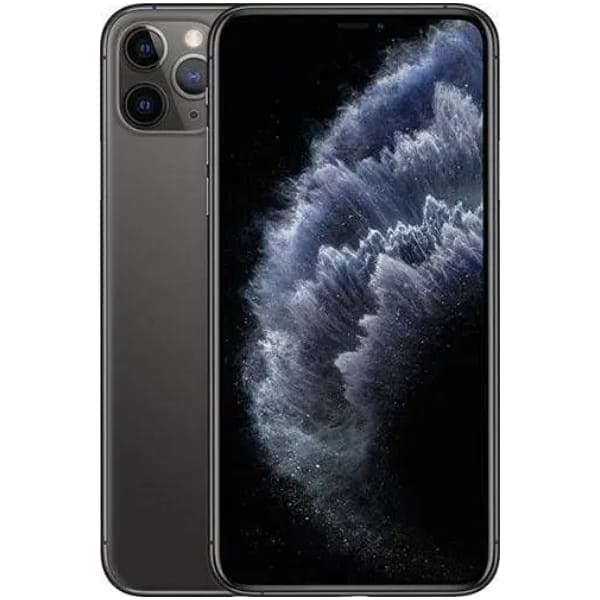
256GB • Space Gray
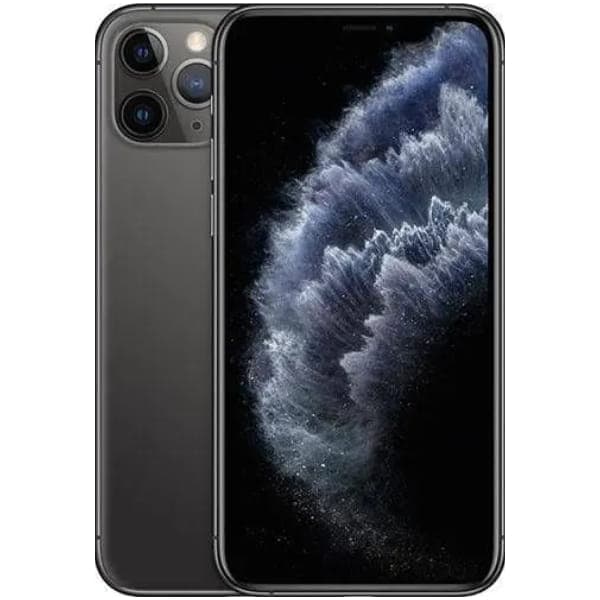
512GB • Space Gray
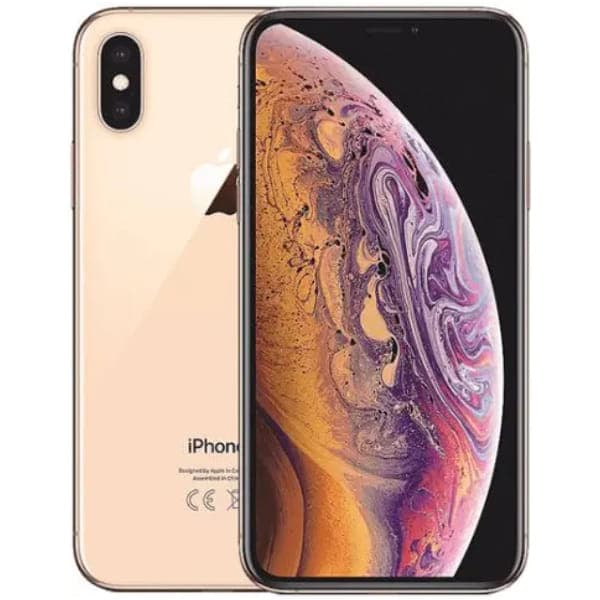
256GB • Gold